Care Less About Alcohol
Rid your life of things that don't care about you to make space for things that do.

It’s been one thousand five hundred fifty-four days since I last drank alcohol. Somehow, writing the number out makes it feel more significant.
The truth is, I stopped counting a long time ago. What once felt like something to track slowly became something I no longer needed to measure.
Before I go on, I want to acknowledge that everyone’s relationship with alcohol is different. This is not a universal truth or a set of instructions. It’s simply my story. If it sparks something in you, even a small moment of reflection, then it has served its purpose. And if you’re struggling, there are many paths to support. None of them carry shame.
The life you don’t question
When people ask me why I stopped drinking, I can usually tell whether the question comes from curiosity or from something quieter, something more personal. Those are the conversations I appreciate most. Not because I have a perfect answer, but because I remember what it felt like to not ask the question at all.
I started drinking in college, like most people. At a Big Ten school like Michigan State, drinking was not just present, it was embedded in the experience. It shaped weekends, friendships, and routines in a way that felt almost inevitable. What began there followed me into my twenties without much thought.
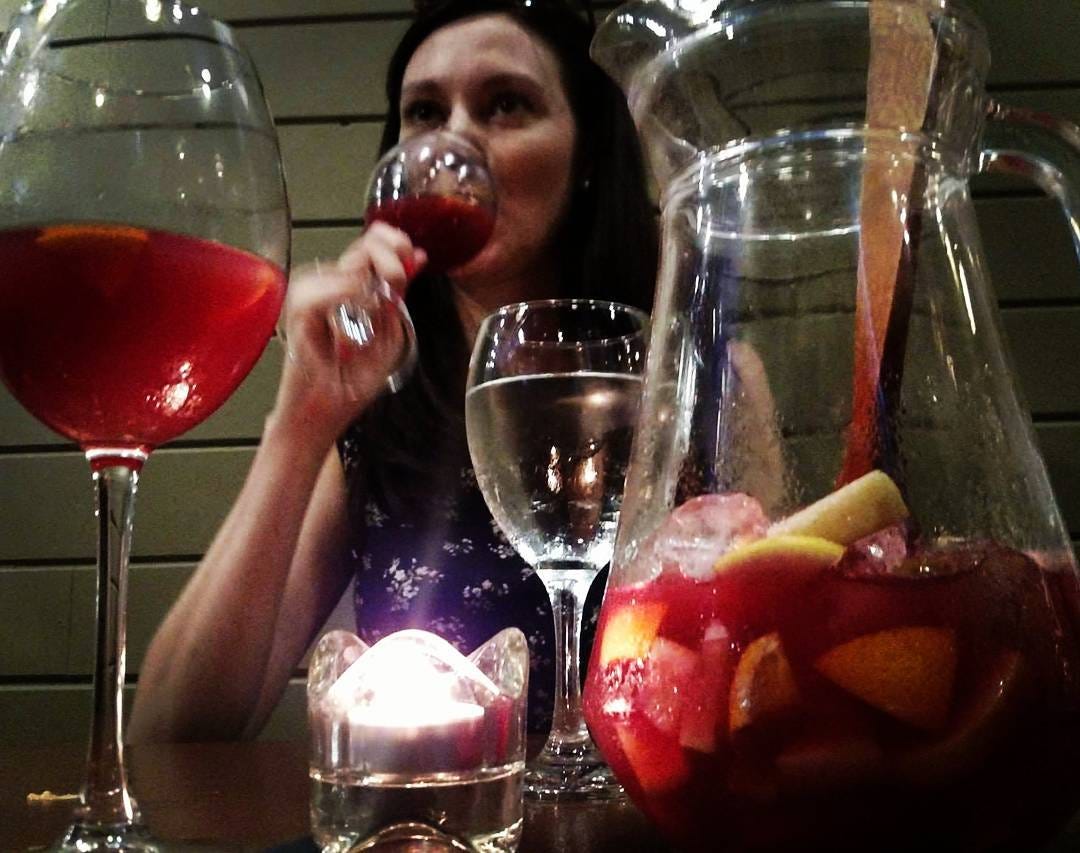
Bars, nightclubs, and house parties became the backdrop of my social life, and I moved through it all without ever really questioning why. I didn’t consider it a problem, mostly because no one around me seemed to either. Comparison has a way of softening edges that might otherwise feel sharp.
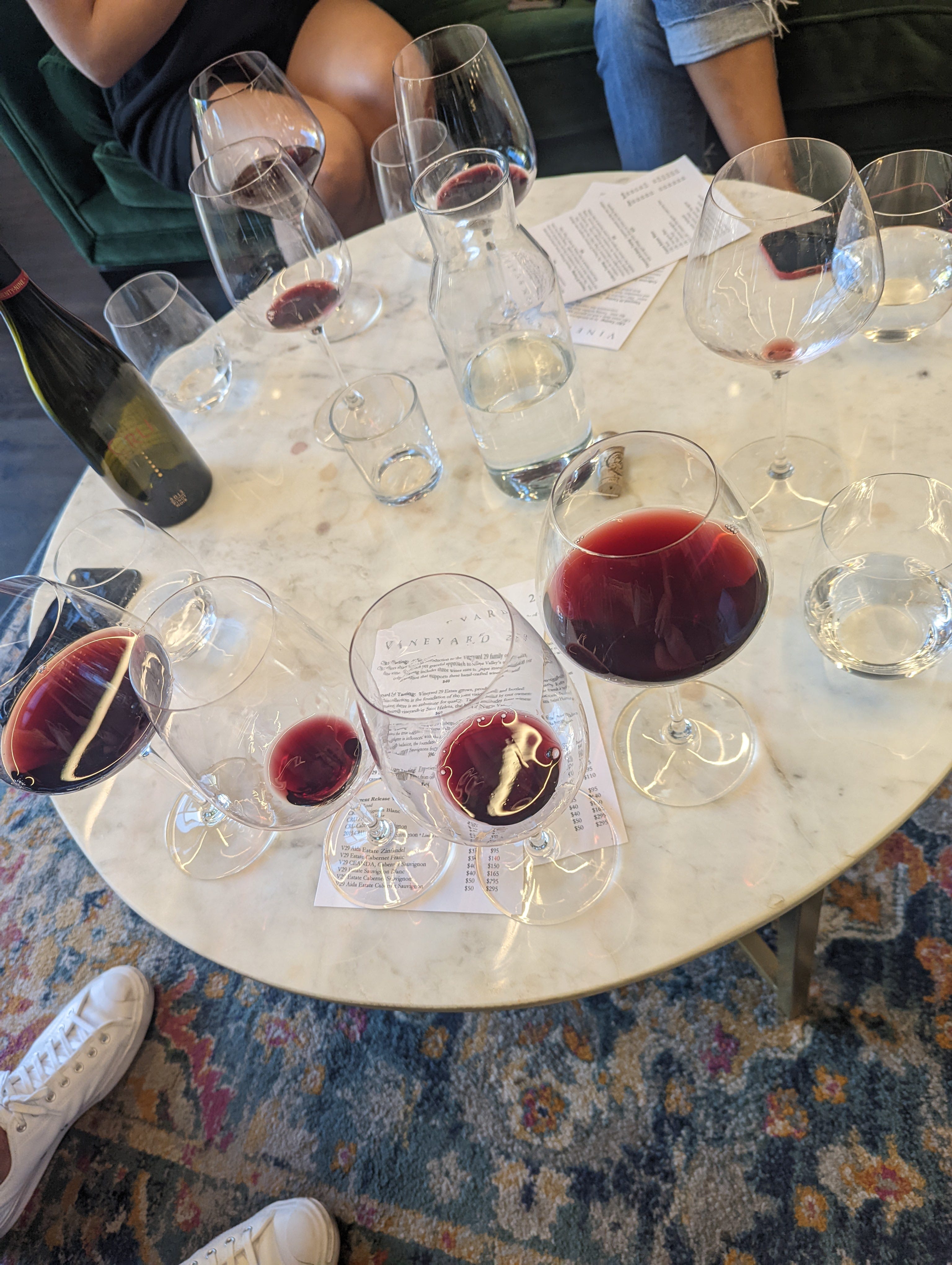
By my thirties, the setting had changed, but the pattern had not. Casual drinks turned into wine tastings in Sonoma, and nights out became more curated, more expensive, more polished. Living in the Bay Area, drinking felt woven into everything, from social gatherings to professional environments. It carried a sense of culture, even sophistication. Again, it didn’t feel like a problem, because it looked so similar to everyone else’s version of normal.
When normal stops feeling right
But my body told a different story, one I learned to ignore for far too long. My hangovers were not mild inconveniences. Even small amounts of alcohol would leave me sick for an entire day, sometimes longer. I would cancel plans, stay in bed, and wait for the fog to lift. At the time, I accepted this as part of the trade-off. It felt like the cost of staying connected, of participating, of belonging. I never paused to consider whether the cost itself was unreasonable.
In 2022, I started therapy. Alcohol was not the reason I walked into that room. I went because something felt missing in my life. I struggled to access my emotions fully, and I felt a distance between myself and the deeper connections I wanted to experience. Therapy became a process of gently unpacking different parts of my life, one layer at a time. Yet even as I examined so much, I kept my relationship with alcohol just out of reach. It was the one area I avoided, the one subject I softened with explanations. I told myself that I didn’t drink every day, that I wasn’t addicted, that it wasn’t really an issue.
For a while, those explanations held.
A quiet realization
As I continued to do the work, it became harder to ignore what was sitting quietly beneath everything else. The more clarity I gained in other areas of my life, the more obvious it became that alcohol was not separate from the problem. It was deeply intertwined with it. I had been searching for emotional depth and meaningful connection while holding onto something that dulled both. Alcohol had become a buffer, a way to soften discomfort and avoid vulnerability, but it also kept me from fully showing up as myself.
There was a moment in late 2022 when that realization settled in fully. It wasn’t dramatic or sudden. It was quiet and steady, the kind of clarity that doesn’t leave once it arrives. I could no longer ignore the ways alcohol was shaping my behavior and my sense of self. I didn’t like how I treated people when I drank, I didn’t like how I allowed myself to be treated, and I didn’t like how I was treating myself.
It was also affecting me in ways that were impossible to dismiss. I was sick, man. I felt the weight of hangovers not just physically, but emotionally, through anxiety and a lingering sense of disconnection. My energy was drained, my skin was dull, and my overall sense of well-being felt fragile. There was a growing gap between how I wanted to feel and how I actually felt on a regular basis. Over time, it became clear that alcohol was standing between me and the kind of life I wanted.
At my breaking point, I asked myself a question: Was I willing to keep feeling this way forever? Was I willing to give up entire days of my life just to maintain a habit that offered so little in return?
More than anything, I had to confront the reality that I was giving my power to something that did not care about me at all. Alcohol does not have feelings. It does not have intentions. It simply takes, and it takes consistently.
Taking the leap into the unknown
I decided to stop drinking on January 1, 2023. I didn’t frame it as a permanent decision. I told myself it was simply a pause, something I could revisit later if I chose to. That framing made it feel more manageable, less overwhelming, even if part of me sensed it might become something more lasting.
The first six months were some of the most challenging I have experienced. What I hadn’t anticipated was the complete identity crisis. I didn’t know who I was as an adult without alcohol. So much of my social life, my routines, and even my sense of ease in certain environments had been tied to it. Without it, I had to learn how to exist differently. I had to sit with my emotions instead of softening them, to find new ways to spend my time, and to navigate social situations without the familiar crutch I had relied on for years.
Slowly, things began to change. I discovered that enjoyment didn’t disappear without alcohol, it simply looked different. I found new hobbies and interests that had never fit into my life before. I began to notice which relationships felt steady and genuine without the presence of alcohol, and which ones had been built around a version of me that no longer existed. Some relationships shifted, and some faded, but the ones that remained deepened in ways I never thought possible.
Over time, I built a different kind of community. I found people who connected over shared experiences rather than shared habits. We spent time together in ways that felt intentional and present, whether that meant dinners, concerts, or long walks. The absence of alcohol didn’t create emptiness. It created space.
A new lease on life
What filled that space surprised me. I found a level of peace that had been unfamiliar before. Without the cycle of drinking and recovering, my days felt more consistent, more grounded. I was no longer losing time to hangovers or the emotional lows that followed them. In a very tangible way, I had given myself back hours, energy, and clarity. I also saved a significant amount of money and avoided countless empty calories, but those feel secondary to the deeper shift that took place.
Caring less about alcohol allowed me to care more about my life. It shifted my priorities in a way that felt both subtle and profound. When I stopped giving energy to something that took so much without giving anything meaningful in return, I was able to invest that energy elsewhere. Into my relationships, my well-being, and my sense of self. Quitting drinking has been the best gift I have ever given myself.
If you find yourself questioning your own relationship with alcohol, even quietly, I hope my story offers some perspective. There is a version of your life that exists beyond it, one that may feel unfamiliar at first, but holds the potential for something deeper and more meaningful.
You deserve to experience that fully, whatever path you take to get there.